


Discover the hidden meanings behind pirate flags, tattoos, and legends. Learn how to explore their ghostly echoes in the Virgin Islands.
A Skull, a Cutlass, and a Warning from the Deep…
You're sailing into the warm turquoise waters of the Virgin Islands when a black flag appears on the horizon. A grinning skull stares down from it, menacing, cryptic, and unforgettable. But what does it really mean?
Pirate symbols weren’t just spooky designs; they were coded messages, psychological warfare, signs of rebellion, and warnings from those who lived (and often died) by the sea. In the Virgin Islands, their legacy lingers not only in museums but in haunted ruins, windswept fortresses, and ghost stories that still echo through St. Thomas today.
Introduction: The Language of Pirates Lives On
Whether you're a thrill-seeker chasing ghost stories or a history buff digging into maritime legends, understanding pirate symbols is your gateway into a darker side of Caribbean history. From cryptic carvings to fearsome flags, these emblems tell tales of power, fear, and freedom.
In this post, we’ll dive into:
- The most common pirate symbols and their hidden meanings.
- How these signs show up in Virgin Islands legends and haunted history.
- Where to explore pirate lore in St. Thomas today, including real haunted locations tied to infamous buccaneers like Blackbeard.
-
Tips for making your visit unforgettable (and maybe a little spooky).
Is This Blog for You?
This guide is perfect for:
- First-time visitors to the Virgin Islands with a love for legends.
- History lovers, families, and curious travelers looking for a unique cultural angle.
- Ghost hunters and paranormal fans following pirate spirits through haunted ruins.
-
Guests booked or considering our
St. Thomas Ghost Walk
, which includes tales of pirate hauntings at Fort Christian and Bluebeard’s Castle.
Jolly Roger: The Pirate Flag with a Purpose
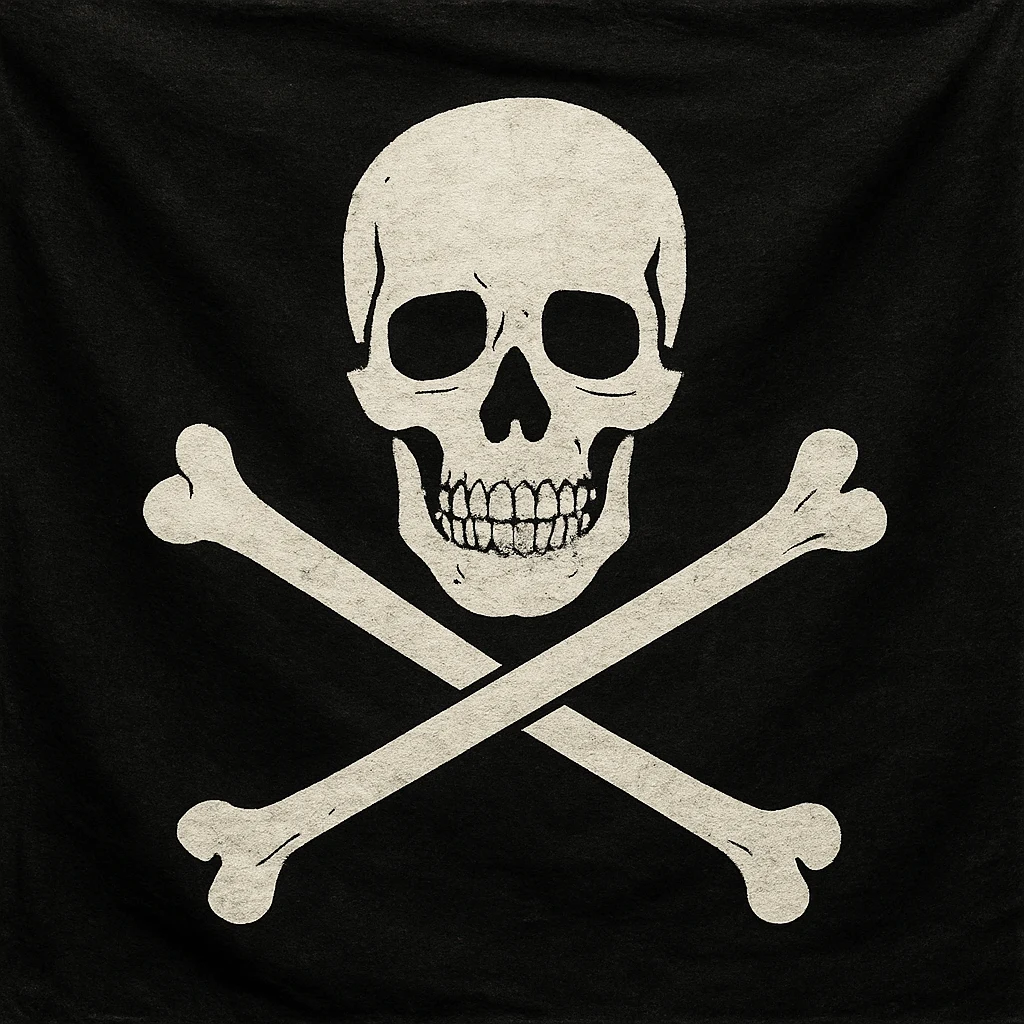
The Jolly Roger wasn’t just about style. It was psychological warfare. Pirates wanted their victims to surrender without a fight. A black flag with skulls and swords meant danger. A red flag? No mercy.
Common Jolly Roger Variations:
- Skull and Crossbones: Universal death symbol.
- Hourglass: Time is running out for you.
- Dagger or Cutlass: We’re armed and ready.
- Skeleton with a Spear: We kill without hesitation.
Many pirates had custom versions. Blackbeard reportedly added flaming fuses to his beard for maximum fear factor. His flag showed a skeleton stabbing a heart with a spear.
Symbols of Death, Power, and Warning
Pirate crews were often made up of the desperate and the daring. They used symbols to:
- Mark loyalty with tattoos of daggers or skulls.
- Instill fear with skull carvings on cannonballs or ship bows.
- Send messages by leaving items like a dead chicken or black spot.
These weren’t random. They drew from folklore, religion, and superstition.
Common Pirate Symbolism:
- Skull (Memento Mori): Remember, you will die.
- Crossed Bones: Brotherhood in death.
- Serpents: Treachery or vengeance.
- Eyes or Third Eye: Supernatural awareness.
-
Ships aflame: Burning bridges in every sense.
Pirate Symbols You Can Still Find in the Virgin Islands
The Virgin Islands were a pirate playground. Their hidden bays and trade-rich routes made them perfect for plundering and disappearing.
Today, the symbols remain:
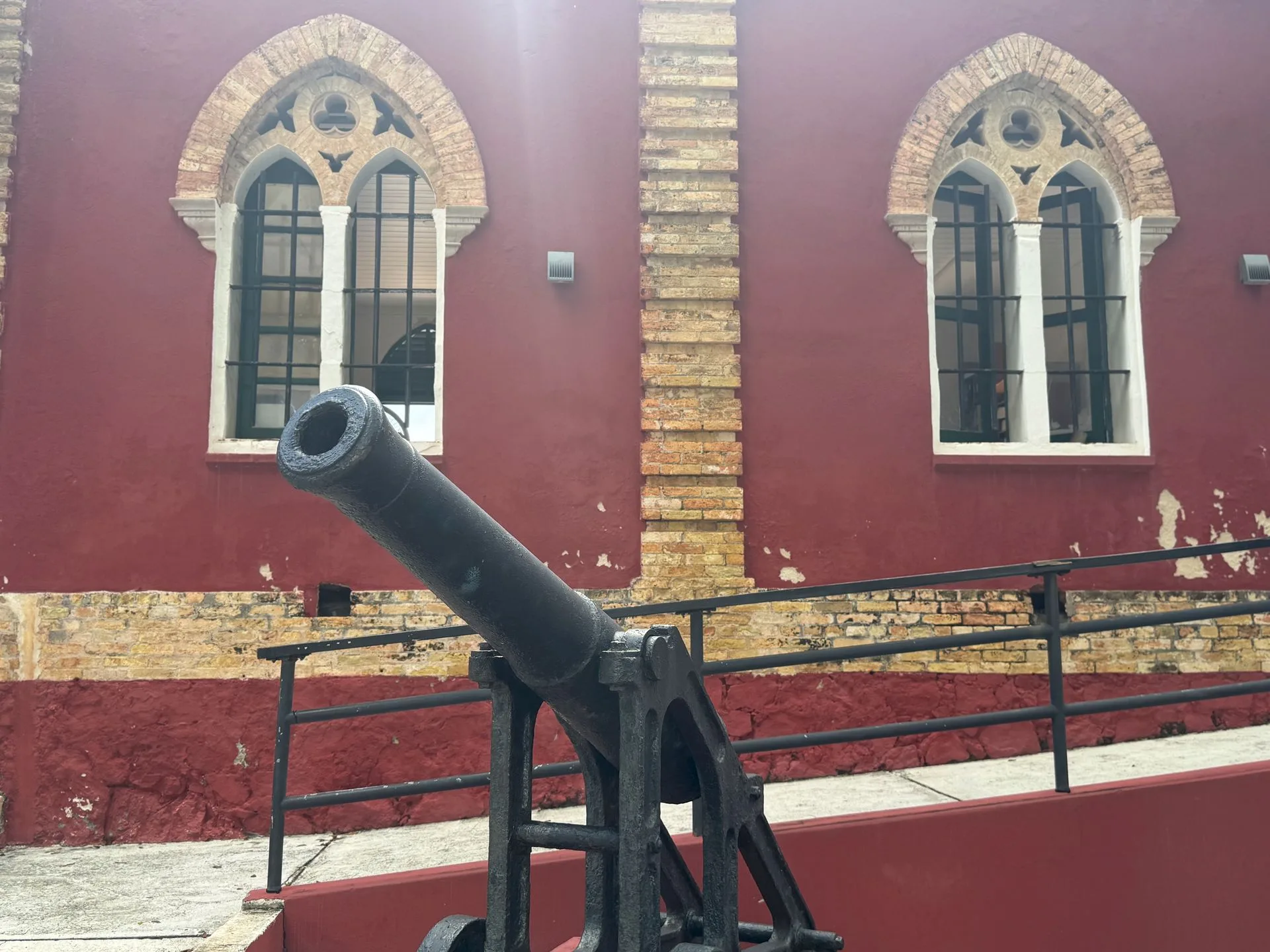
- In the fort walls of St. Thomas, carved by convicts and sailors.
- On graves near Charlotte Amalie, etched with skull-and-crossbones motifs.
- In local festivals, such as the Moko Jumbie dancers, spirit guardians said to evolve from pirate-era myth.
Related Read:
Where Did Pirate Symbols Originate?
The roots of pirate symbolism stretch far beyond the Caribbean. Many emblems pirates adopted had long histories in European naval and cultural traditions. The skull and crossbones, for example, was used on tombstones and military flags as a memento mori—a reminder of mortality. Pirates co-opted these images not only to terrify but to project a kind of mystical power.
Some symbols may have evolved from maritime guild signs or were inspired by the secret languages of outlaws and rebels. Over time, these became codified within pirate culture, passed between crews from West Africa to the Caribbean.
The Pirates Treasure Museum: Where Legends Come to Life
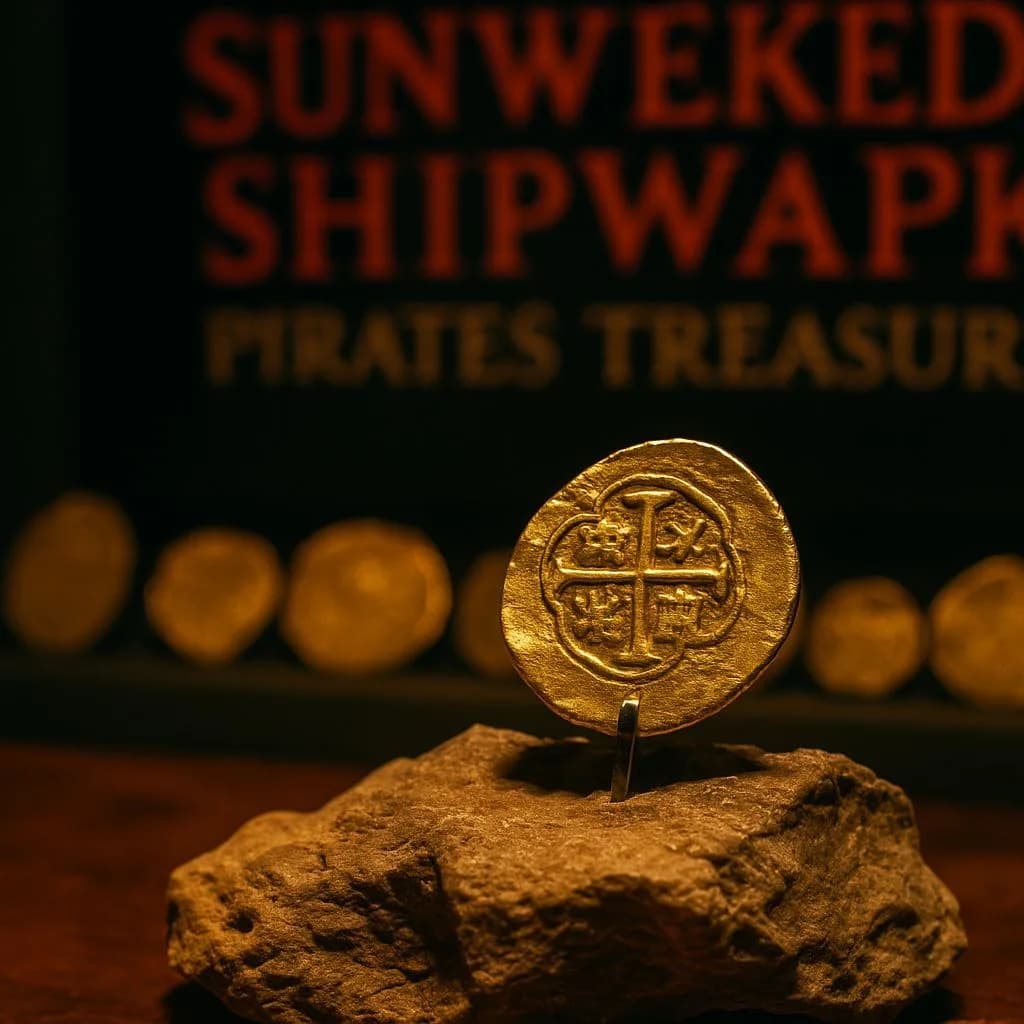
Located near Havensight Mall in St. Thomas, the Pirates Treasure Museum is a must-visit for anyone fascinated by seafaring lore. This interactive, family-friendly museum features genuine shipwreck artifacts recovered by Odyssey Marine Exploration.
Highlights Include:
- Real gold and silver coins from sunken ships
- Pirate weapons and navigation tools
- A recreated shipwreck dive chamber
- Stories and artifacts linked to Blackbeard and other infamous Caribbean pirates
It’s one of the best places to separate fact from fiction and to view firsthand the kinds of treasure these notorious seafarers risked their lives for.
Bluebeard, Blackbeard, and the Ghosts of St. Thomas
Yes, pirates like Blackbeard and Bluebeard actually walked the shores of the Virgin Islands.
Bluebeard’s Castle
Originally a Danish fort, this now-haunted hotel is tied to the infamous Bluebeard. Some say he murdered his lovers here. Others say he buried treasure beneath the tower.
Read More: Haunted Bluebeard’s Castle, St. Thomas »
Fort Christian
This 17th-century fort held pirates, prisoners, and colonial secrets. Its red walls have seen bloodshed, and many guests report cold spots and whispers inside.
Bonus Legend: Ghost of the Pirate Priest
Local lore tells of a pirate-turned-priest who built a secret chapel on Hassel Island, just off the coast of St. Thomas. Some say he used the chapel to hide stolen relics. Visitors to the ruins at night have reported chanting in Latin and glowing lights in the trees.
While there’s little written record of the man, locals claim that storms never hit the island directly—perhaps thanks to his lingering spirit.
Sample Itinerary for Pirate Explorers
Morning: Start with a tour of the Pirates Treasure Museum to ground your day in real relics and maritime history.
Afternoon: Walk through Charlotte Amalie and explore Fort Christian. Grab a bite at a local restaurant like Gladys’ Café.
Evening:
Take the
St. Thomas Ghost Walk
for chilling tales of pirate hauntings under the stars.
FAQ: Pirates in the Virgin Islands
Conclusion: The Symbols Still Speak
Pirate symbols weren’t just spooky stories. They were real tools used by real people who sailed the Virgin Islands and shaped its haunted history. Today, their legacy lingers in ruins, flags, and folklore throughout St. Thomas.
If you’re fascinated by pirate lore and haunted legends, don’t just read about them. Experience them for yourself. Join us on the
St. Thomas Ghost Walk
and walk where pirates once ruled and maybe still linger.