

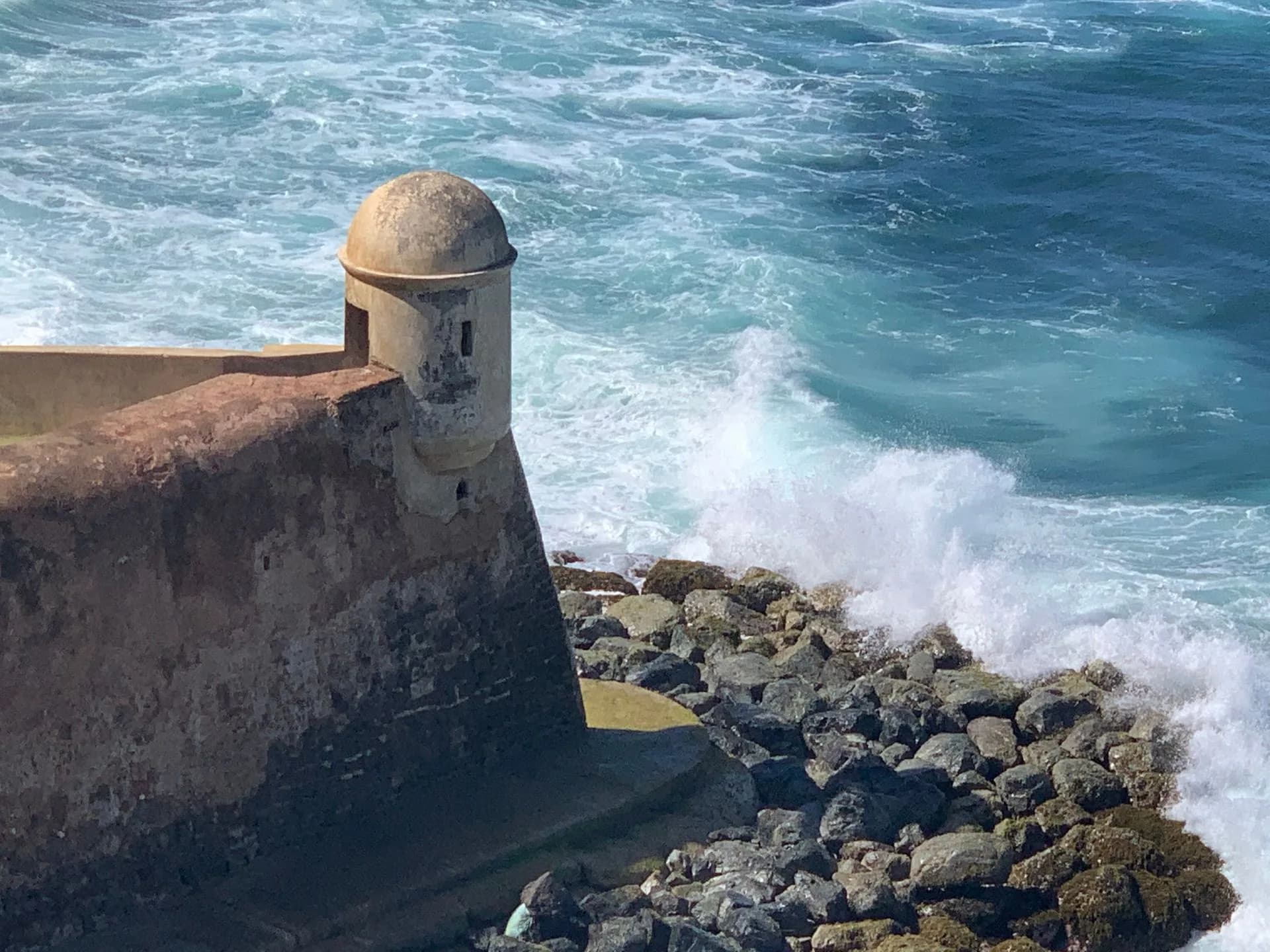
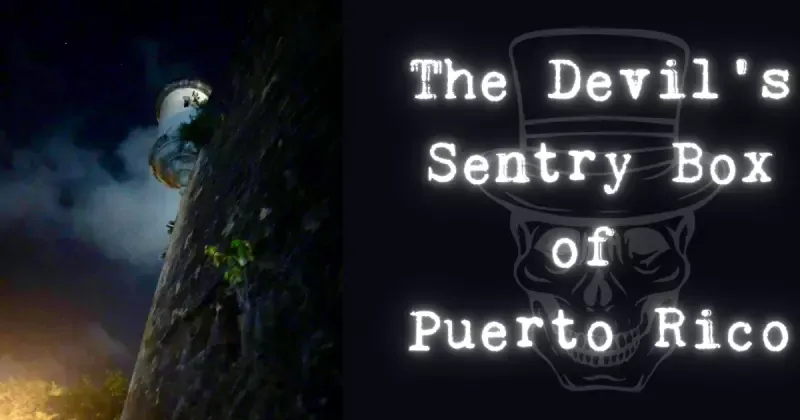
Standing at the edge of the Atlantic, battered by salt spray and howling wind, a lone stone sentry box juts out from the cliffs beneath Castillo San Cristóbal in Old San Juan, Puerto Rico. It's called La Garita del Diablo — the Devil's Sentry Box — and for nearly four centuries, it has been the subject of one of the Caribbean's most enduring and unsettling legends.
Soldiers stationed there vanished without explanation. Strange sounds echoed through the stone corridors long after the missing were gone. And to this day, visitors report a creeping, oppressive presence near this isolated outpost, as if something ancient and malevolent still stands guard.
The History of Castillo San Cristóbal
To understand the legend, you have to understand the fortress itself. Castillo San Cristóbal wasn't built out of ambition, it was built out of desperation.
In 1625, the Dutch fleet under Boudewijn Hendricksz sailed into San Juan Harbor. The Spanish held Castillo San Felipe del Morro, and the Dutch couldn't take it, but they didn't need to. They simply went around it. Landing troops on the eastern approach, the Dutch burned the entire city of San Juan to the ground before withdrawing. The message was clear: El Morro could protect the harbor, but nothing protected the city from a land assault.
The Spanish response began in 1634 with a modest fortification on the eastern hill overlooking the city, the first incarnation of San Cristóbal, along with a small defensive position that would become known as the Garita del Diablo. But this early construction was shoddy. Within two years, reports sent back to Spain described walls already crumbling.
It wasn't until 1765 that the Crown authorized a complete overhaul. Under the direction of Irish-born military engineer Tomás O'Daly and his colleague Juan Francisco Mestre, San Cristóbal was rebuilt between 1766 and 1783 into the massive fortification that stands today. Influenced by the Vauban style of French military engineering, with layered defenses, angled bastions, and interlocking fields of fire, the completed fortress sprawled across 27 acres, making it the largest fortification the Spanish ever built in the Americas.
The fort featured underground tunnels for troop movement and supply transport, five enormous cisterns beneath the parade ground capable of holding 716,000 gallons of rainwater (enough to sustain the garrison for a full year), and a network of sentry boxes, garitas , placed at strategic points along the walls and cliffs. Sentries stood watch day and night, calling out to one another in a chain: "¡Centinela alerta!" one would shout. "¡Alerta está!" would come the answer, passed from box to box until the last sentry confirmed all was well.
But one garita was different from the rest.
The Loneliest Post or La Garita del Diablo
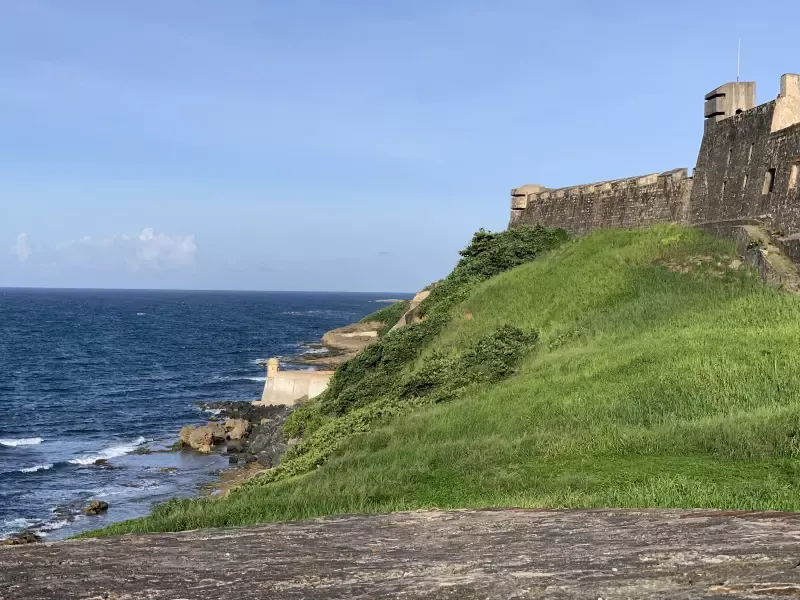
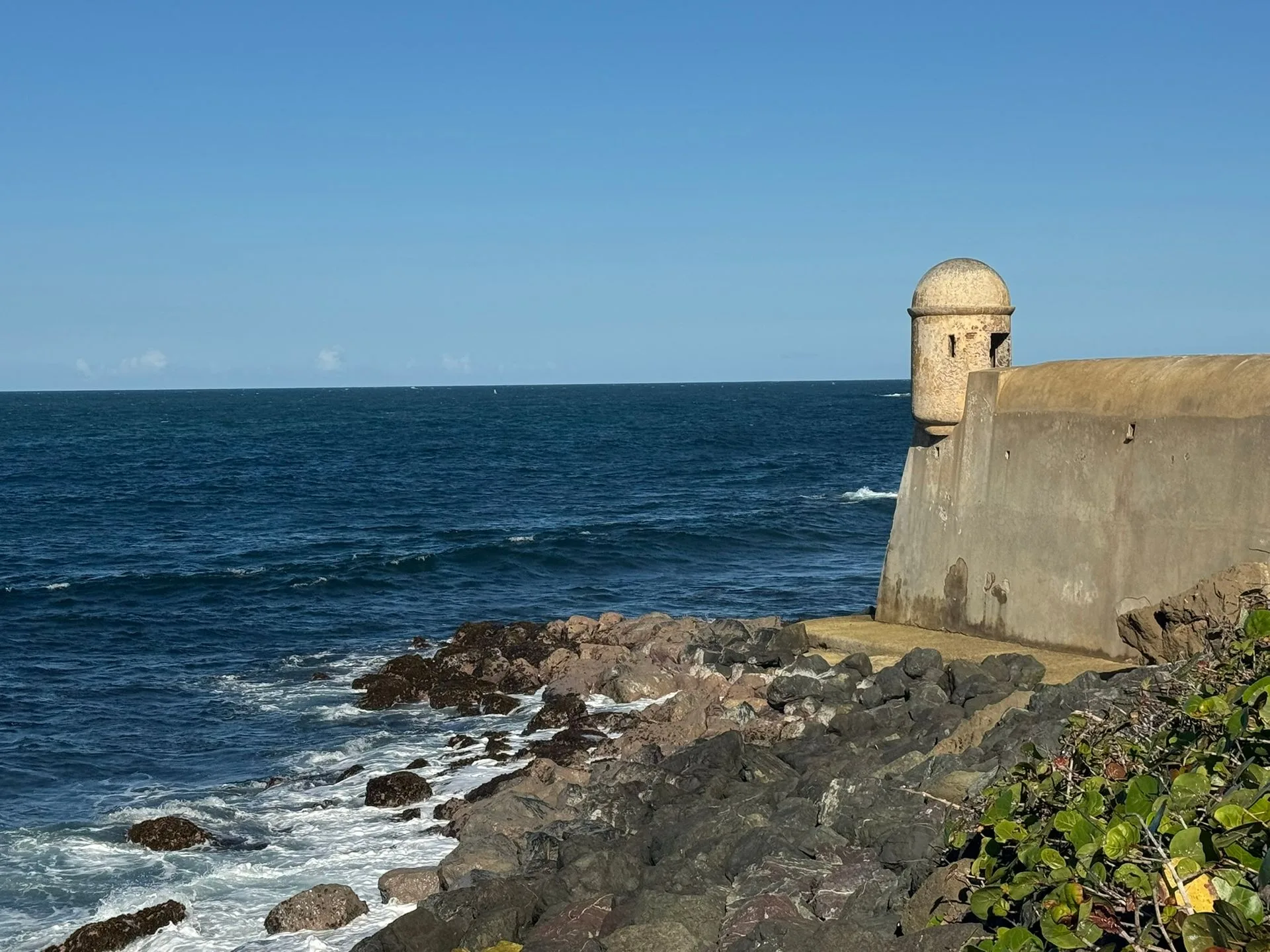
The sentry box known as the Garita del Diablo, officially the Fortín del Espigón, sat farther from the main fort than any other. Perched on a rocky promontory jutting out over the crashing Atlantic, it could only be reached by descending a long, narrow stone corridor that grew darker and more claustrophobic with every step.
The isolation was unnerving. The wind screamed off the ocean. Waves exploded against the rocks below with enough force to shake the stone underfoot. And the distance was great enough that the sentries' nightly call-and-response had to be shouted at full volume to be heard over the roar of the sea.
Soldiers dreaded being assigned to this post. The sounds that came off the water at night, groaning, whistling, what some described as unearthly laughter, were enough to keep even the bravest men on edge. But the Spanish military didn't concern itself with the fears of common soldiers. The post had to be manned. Orders were orders.
Until the night that changed everything.
The Vanishing Soldier of San Cristóbal
The most well-known version of the legend centers on a soldier known only as Sánchez, stationed at the Garita del Diablo sometime in the late 1600s. Sánchez was known among his comrades as a guitar player — a young man who passed the long, dark hours of his watch strumming quietly and singing softly to himself, his music drifting up the stone corridor like a lifeline connecting him to the world of the living.
One night, during the routine call, a soldier shouted down the dark hallway toward the sentry box. No answer came. He called again. Nothing... only the wind and the ceaseless pounding of waves. No voice. No guitar. Just silence where silence shouldn't have been.
The soldier raised the alarm. But in the rigid discipline of a Spanish colonial garrison, no one could abandon their own post until dawn. The men waited through the longest hours of the night, listening, straining to hear anything from the direction of the Garita del Diablo.
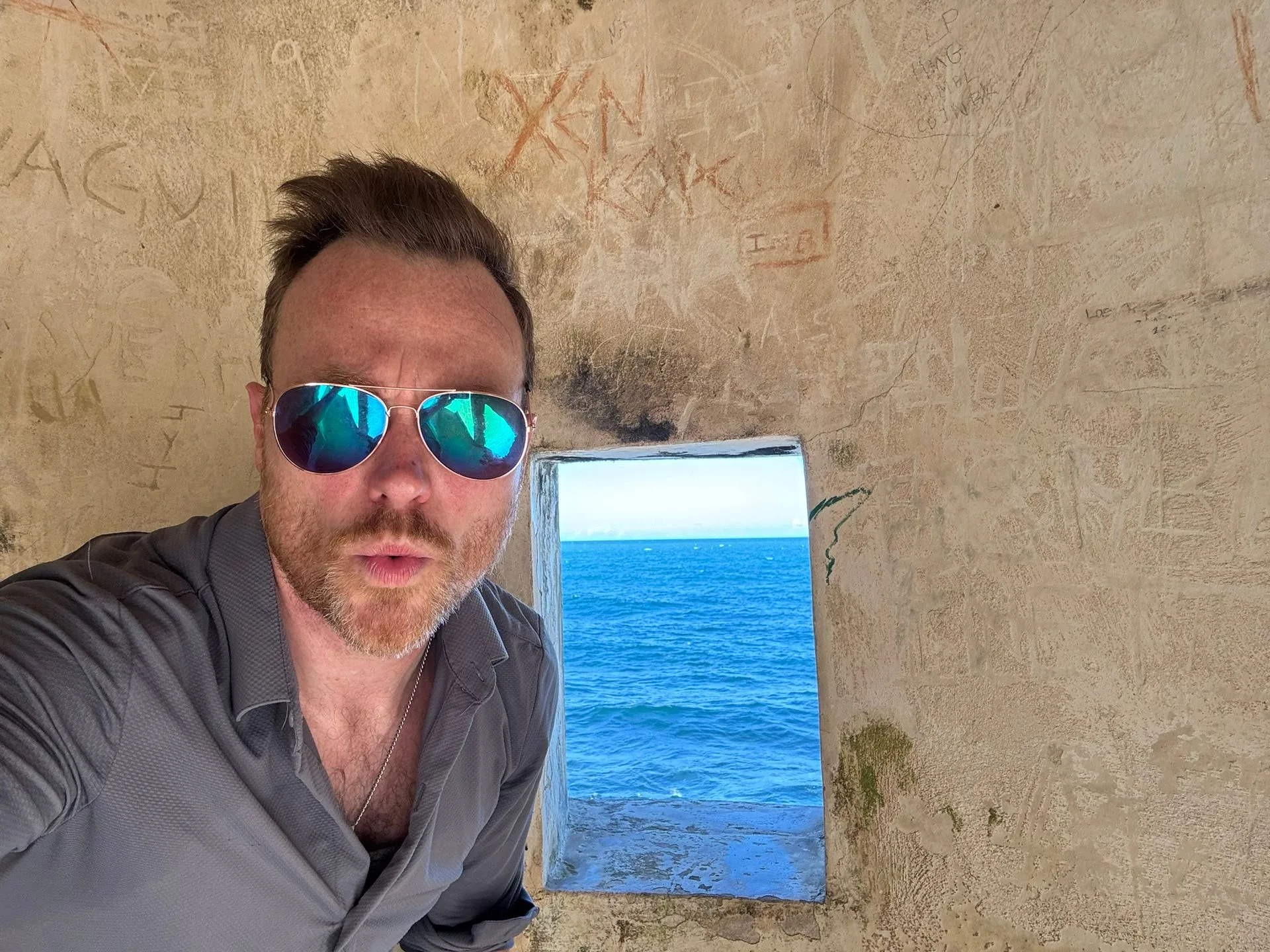
When the sun finally rose and a detail of soldiers made the long walk down the corridor, they found the sentry box empty. Sánchez's rifle leaned against the wall. His uniform was neatly folded. But the man himself was gone, completely, impossibly gone. No signs of struggle. No blood. No footprints leading away. No body on the rocks below. It was as if the soldier had simply ceased to exist.
The men crossed themselves and whispered what they all believed: the devil had taken him.
History of Castillo San Cristóbal & Its Sentry Boxes
While the ghostly legend draws visitors, Castillo San Cristóbal itself is a marvel of military engineering.
- Built by the Spanish in the 1600s to defend San Juan from land attacks.
- Largest fortress built in the Americas, overshadowing even El Morro with its vast walls.
- T he garitas (sentry boxes) were essential lookout posts, giving soldiers a panoramic view of incoming enemies.
The Garita del Diablo, however, was positioned farthest along the walls... isolated, battered by ocean winds, and cloaked in darkness. No wonder sold
iers feared being assigned there.
The Haunting That Followed
The disappearance of Sánchez would have been disturbing enough on its own. What came afterward was worse.
In the nights that followed, soldiers stationed near the corridor reported hearing something drifting up from the direction of the empty sentry box: the faint sound of guitar strings being plucked. The melody was unmistakable, it was Sánchez's music, the songs he'd played during his long watches. But it was coming from a post that everyone knew was empty.
Brave men were sent to investigate. They guarded the corridor through the night, torches guttering in the wind. When dawn came and they descended to the garita, it was as empty as before. No guitar. No presence. Nothing but cold stone and the smell of the sea.
On other nights, the guitar was replaced by something else entirely: a low, demonic laugh that echoed through the stone halls, rising and falling with the wind. Some soldiers swore they caught the smell of sulfur, the ancient signature of the devil himself.
And then more soldiers began to vanish.
According to some versions of the legend, another guard volunteered, or was ordered, to take the post after Sánchez's disappearance. He, too, vanished by morning. Then another. Over the years, the stories accumulated: scores of soldiers, one after another, swallowed by the night at the Devil's Sentry Box, each leaving behind nothing but their weapons and the growing certainty that something unholy haunted that lonely promontory.
A Love Story, or a Ghost Story?
Not everyone believes the devil was responsible. A more romantic version of the legend offers a different explanation for Sánchez's disappearance, one that trades brimstone for heartbreak.
In this telling, Sánchez wasn't just passing time with his guitar. He was sending messages. His songs were coded love letters to a young woman named Diana, who would slip close to the fort walls at night to listen. Neither Sánchez's commanding officers nor Diana's disapproving stepmother approved of the relationship.
One night, Diana came not just to listen, but to act. She brought civilian clothes, and together the two lovers fled, down the cliffs, away from the fort, and into the mountains of Luquillo, where they built a life far from the rigid world of the colonial garrison.
According to this version, the songs that still seem to echo from the sentry box on moonless nights aren't the work of the devil at all, they're the ghost of a love so powerful it left an imprint on the very stone.
It's a beautiful story. But it doesn't explain the sulfur. It doesn't explain the other disappearances. And it doesn't explain why, centuries later, people who visit the site still feel something watching them from the shadows.
The Fort After Spain
The legend of La Garita del Diablo belongs to the Spanish colonial era, but the fortress itself continued to play a role in history long after the last Spanish soldier left.
In 1797, San Cristóbal helped repel a British invasion force of some 7,000 troops under Sir Ralph Abercromby, one of the most significant military engagements in Caribbean history. The British were stopped roughly a mile from the fort at the Escambrón defenses and eventually withdrew.
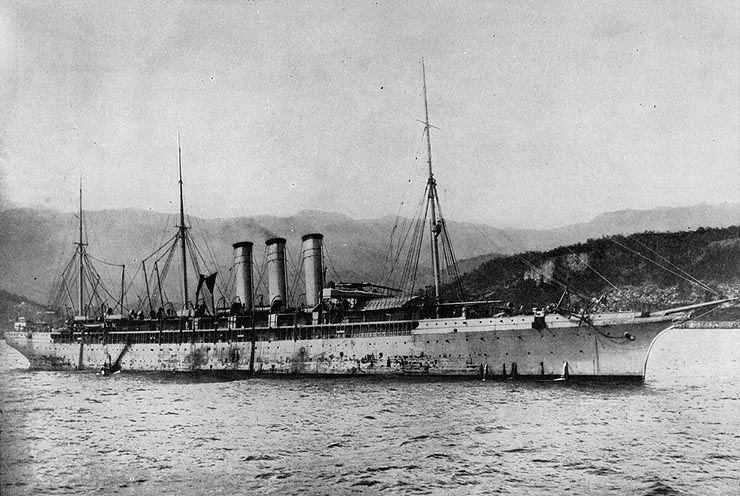
A century later, on May 10, 1898, Captain Ángel Rivero Méndez ordered the first shot of the Spanish-American War in Puerto Rico to be fired from San Cristóbal's cannon batteries against the USS Yale. The fort's gunners traded fire with U.S. Navy warships in a day-long bombardment. Six months later, the Treaty of Paris transferred Puerto Rico to the United States.
During World War II, the U.S. military added concrete pillboxes and an underground bunker control center to the ancient walls. The cisterns were designated as potential fallout shelters. It wasn't until 1961 that the Army moved out and the National Park Service took over.
In 1983, Castillo San Cristóbal and its neighbor El Morro were designated a UNESCO World Heritage Site, a recognition of the forts' extraordinary historical and architectural significance.
Fort San Cristóbal vs. El Morro
Many visitors recognize
El Morro’s iconic garitas
from postcards. But San Cristóbal holds the darker stories. Unlike El Morro, which defended against sea invasions, San Cristóbal was built to withstand land assaults. Its sentry boxes — especially the Devil’s Garita — became the setting for whispered tales of betrayal, love, and supernatural punishment.
The Devil's Sentry Box Today
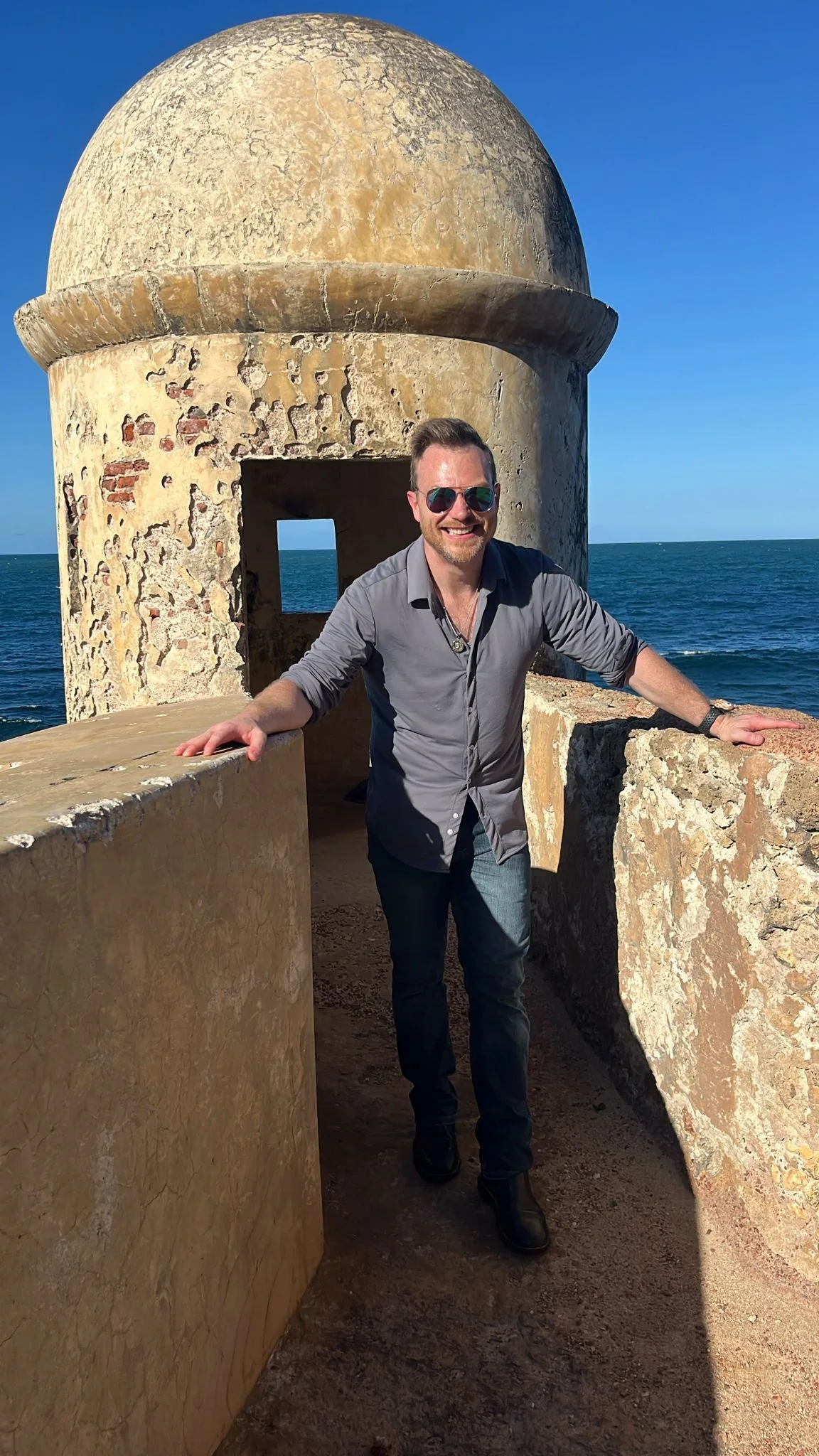
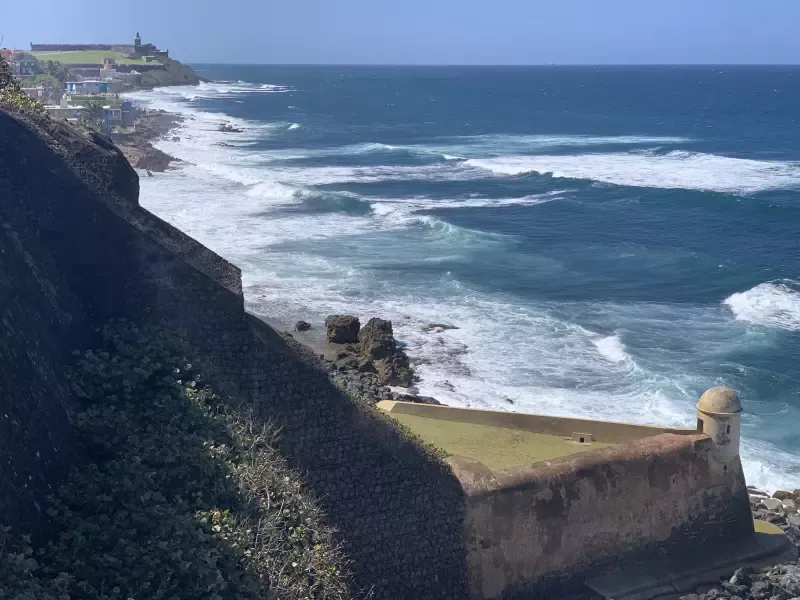
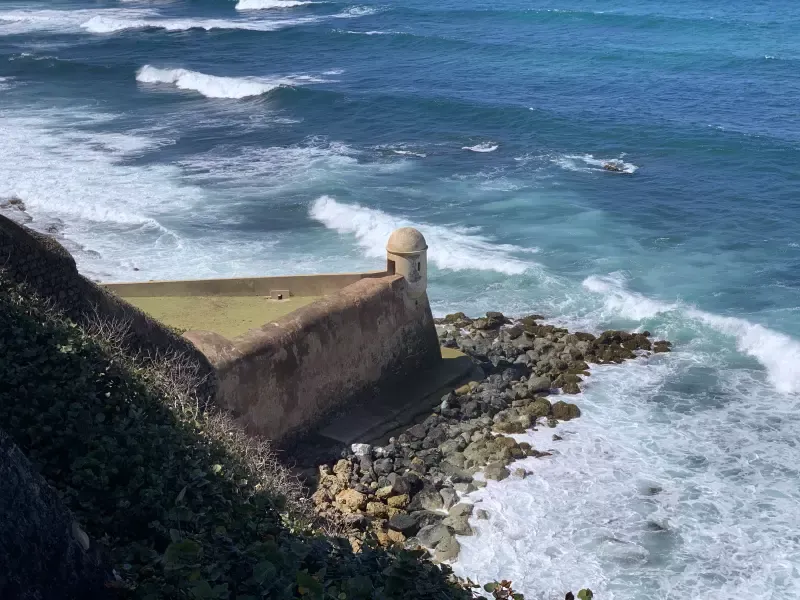
Today, the Garita del Diablo remains inaccessible to the general public unless you want to jump over a couple fences (not recommended). You can see it from the fort's upper walls or from the street, a small stone dome clinging to the cliff edge, isolated and exposed, looking much the same as it did when terrified soldiers peered down the corridor and found it empty.
Park Rangers actively discourage visitors from trying to reach it. Whether that's for safety reasons or something else, they don't always say.
But the stories haven't stopped. Visitors to San Cristóbal, even those who arrive as skeptics... still report an unsettling feeling near the old sentry box. A heaviness in the air. A sense of being watched. Some describe it as a dark, foreboding presence, almost as if something ancient were standing just behind them, just out of sight.
Locals still call it the Devil's Box, Puerto del Diablo, and many warn that lingering too long near it after dark is an invitation you don't want to extend.
Ghost Stories of San Juan: More Than Just Legends
Puerto Rico is a land where history and myth intertwine. From Capilla del Cristo (said to be blessed by miracles) to the oldest ghost box in the Caribbean, Old San Juan is filled with places where the past lingers.
The Devil’s Box is just one of many haunted sites. Others include:
- The tunnels beneath San Cristóbal, where soldiers claimed to hear chains rattling.
- El Morro’s dungeons, where prisoners swore they were visited by shadows.
-
Abandoned colonial homes in Old San Juan, still whispered about by locals.
Visit the Haunted Sentry Box Yourself ��
Reading the legend is one thing, but seeing the Garita del Diablo at night is something else entirely.
By day, it looks like just another turret on San Juan’s historic walls. But at dusk, when the ocean roars and shadows lengthen, you can almost feel the fear of the soldiers who once stood guard.
There are many theories behind the Devil's Sentry Box, yet there remain visitors to the Castillo San Cristobal who believe the hauntings are nothing more than a figment of the imagination. Whether there’s any truth to the tales is up for debate, but many people who spend time there still report feeling a dark or foreboding presence, almost as if the Devil himself were watching on.
Myths and legends play a huge part in Puerto Rico’s culture and society, and you can read the sorry tale of La Llorona here .
Book Your San Juan Ghost Tour Today
If you’re ready to walk in the footsteps of the vanished soldier, join us on our San Juan Ghost Tour .
✅ Hear chilling stories of
La Garita del Diablo
under the stars.
✅ Explore the haunted corners of
Castillo San Cristóbal and El Morro
.
✅ Discover the
dark legends of Old San Juan
that most tourists never hear.
If you want to hear firsthand what our guests have experienced, check out our Google Business Profile Reviews and see why our tours leave a lasting impression!
��
Reserve Your Spot on the
San Juan Ghost Tour
!